Low iron is like a phone stuck at 3% battery.
Iron is your body's oxygen delivery truck. When it's low, everything runs — just badly. Fatigue, hair shedding, brain fog, restless legs, breathlessness on the stairs. Here's a plain-English plan to test the full picture, replace iron the right way, and find out why it got low in the first place.
No email · Instant results

"Don't just replace iron. Find out why it got low."
Low iron can cause symptoms long before you're officially anemic.
A "normal" hemoglobin can hide an empty storage tank. Ferritin under 30 with any of the symptoms below is worth acting on — you do not have to wait for anemia.
Your cells aren't getting enough oxygen. Not tired-after-work tired — tired at 10am tired.
Hair roots need iron to hold and grow. Extra strands in the shower or brush is a classic clue.
The brain is oxygen-hungry. Low iron shows up as slow word-finding and dull focus.
You feel it climbing stairs or on hills you used to fly up.
The heart pumps harder to move less oxygen. Palpitations at rest can be a red flag.
That crawling urge to move your legs at night is one of the most iron-responsive symptoms there is.
Peripheral blood flow and oxygen delivery drop when iron drops.
Low oxygen + low energy stress the nervous system. It looks like anxiety, but the fix is iron.
Ferritin is the pantry. Serum iron is what's on your plate today.
You can have a little iron on the plate and still have an empty pantry. Ferritin is often the single most useful iron marker — and it's often skipped. Note: ferritin can look falsely normal or high with inflammation, infection, or liver disease, so always look at transferrin saturation alongside it.
Full lab guide →- Under 15
Very low iron stores
- Under 30
Low iron stores
- Under 45
Often consistent with iron deficiency, especially with symptoms or anemia
- 50–100
Often a better symptom-supportive range for many people
- Over 100
May be okay — but consider inflammation, liver, and the full panel
Four pillars of getting iron back
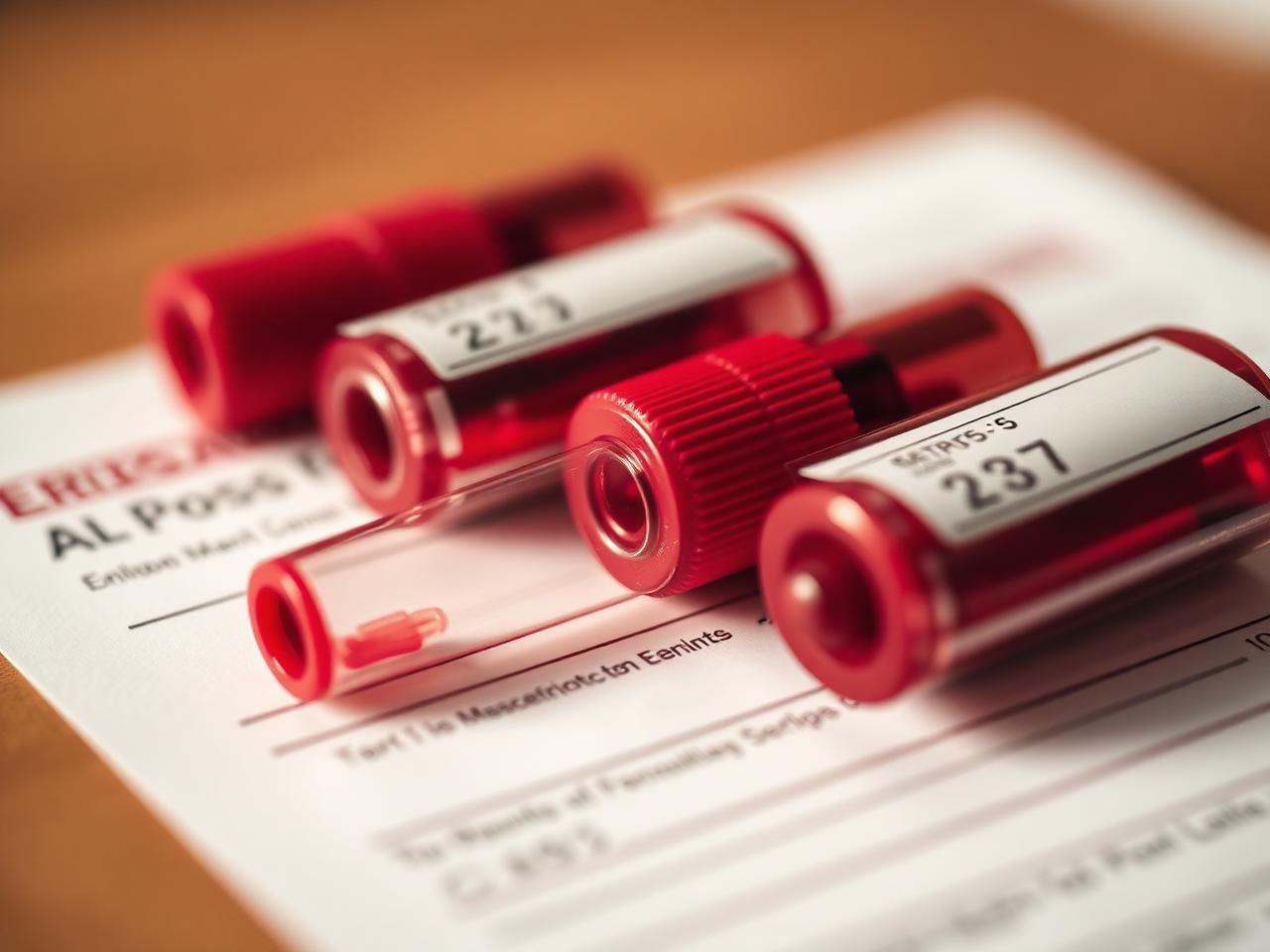
Get the full iron panel — not just hemoglobin
A normal CBC does not rule out iron deficiency. Ask for ferritin, serum iron, TIBC, transferrin saturation, and CBC with reticulocyte count. Ferritin is the storage tank — often the most useful number.
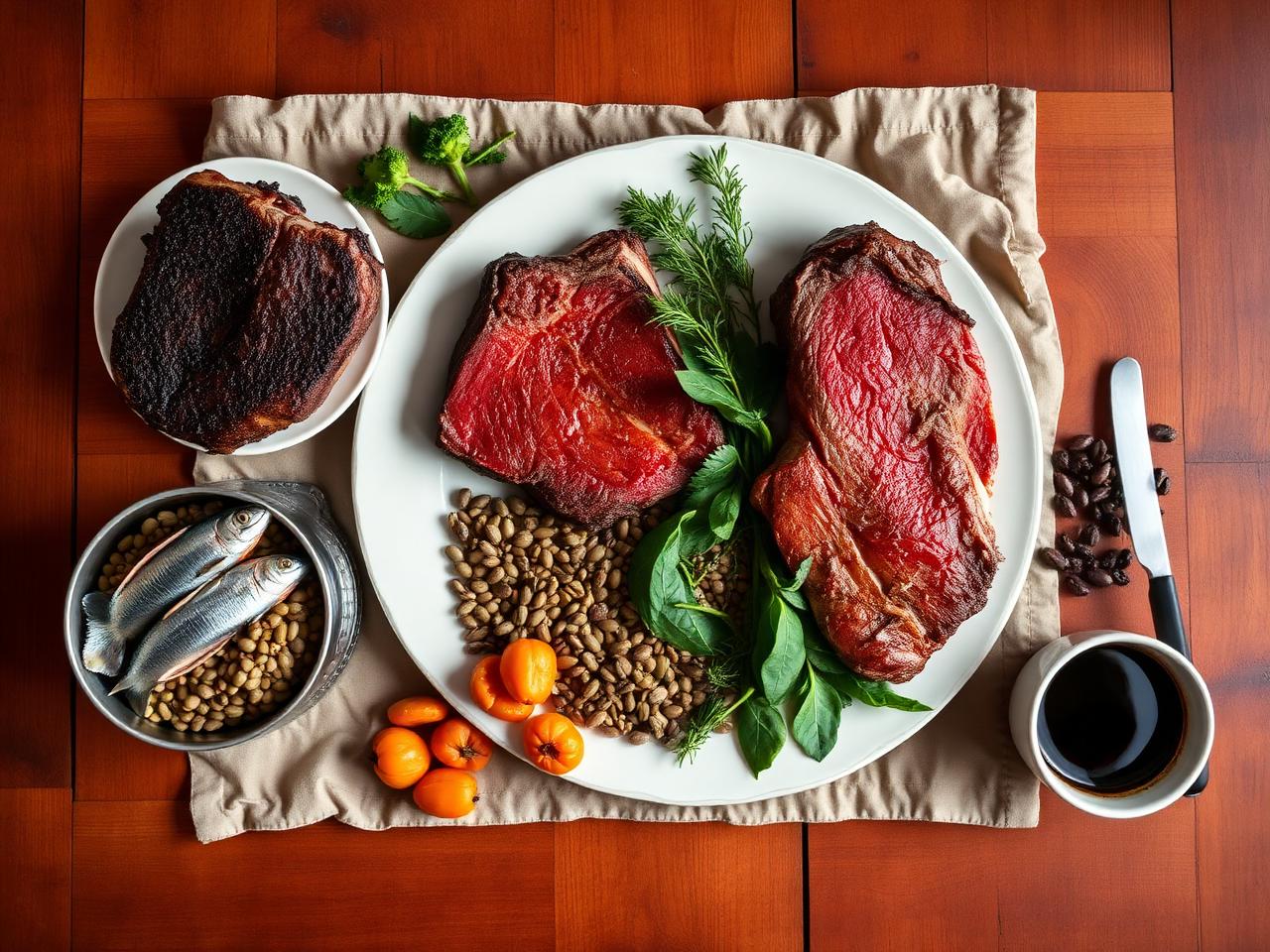
Rebuild with food first
Heme iron from beef, lamb, dark poultry, oysters, sardines. Non-heme iron from lentils, beans, pumpkin seeds, spinach — pair with vitamin C. Keep coffee, tea, calcium, and dairy 1–2 hours away.

Take iron the way that actually works
45–65 mg elemental iron, once daily or every other day, with vitamin C, away from coffee, dairy, calcium, magnesium, zinc, and thyroid meds. Every-other-day dosing may absorb better and cause less nausea.

Stop the losses and support absorption
Address heavy periods, reduce daily NSAIDs, evaluate long-term PPIs, treat gut inflammation, and rebuild energy with gentle progressive movement while stores refill.
Three reasons: not getting enough, not absorbing it, losing it faster than you replace it.
Iron deficiency is a symptom, not a diagnosis. Low iron in a postmenopausal woman or any man should always trigger a hunt for GI blood loss — never blame diet first.
Heavy or frequent periods
Flooding, clots, changing pads often, bleeding more than 7 days, or cycles shorter than 26 days.
Perimenopause
Hormonal swings drive heavier, less predictable bleeding — the #1 hidden cause in women 40–55.
Fibroids or adenomyosis
Structural causes of heavy bleeding that don't fix themselves.
Low-iron diet
Low red meat, low protein, vegetarian or vegan without careful planning.
Poor absorption
Celiac, IBD, gastritis, H. pylori, bariatric surgery, PPIs, chronic antacids.
GI blood loss
Ulcers, polyps, hemorrhoids, colon cancer. In anyone postmenopausal or male, this is the first thing to rule out.
Pregnancy & postpartum
Iron demand doubles. Postpartum ferritin is often forgotten.
Chronic inflammation
Iron may be present but locked away and unusable — 'anemia of inflammation.'
Iron repletion is a season, not a weekend.
Don't stop iron just because hemoglobin improves. The storage tank still needs to refill — often for 3–6 more months after the CBC looks normal.
Call your provider today if you have any of these
- ⚠Black, tarry, or bloody stool
- ⚠Chest pain or fainting
- ⚠Shortness of breath at rest
- ⚠Very heavy bleeding (soaking a pad per hour)
- ⚠Postmenopausal bleeding of any kind
- ⚠Unexplained weight loss or severe abdominal pain
Not sure if low iron is your problem?
Take the 2-minute symptom quiz. You'll get a personalized plan and the exact labs to ask for.